






Data Enablement & Decision Support That Strengthens Decisions
We help transform scattered data environments into decision-support capabilities that leadership teams rely on daily. Execution at this stage determines how quickly opportunities are captured and how effectively risks are managed. Designed for teams experiencing decision latency, inconsistent reporting, and limited confidence in their numbers.
Execution Challenges in Data-Driven Decision Making
Data initiatives rarely fail due to a lack of tools. Problems arise when reporting is treated as an output rather than an operational capability.
Reporting without readiness
Dashboards are built on fragmented or delayed data.
Too many metrics, no clarity
Leaders feel overwhelmed yet still lack direct answers.
Manual data preparation
Insights depend on spreadsheets and offline effort.
Lagging visibility
Reports reflect historical data instead of current business conditions.
Low trust in numbers
Different teams rely on different definitions and calculations.
Decision delays
Time is spent reconciling discrepancies instead of taking action.
The Biggest Risk Is When Data Weakness Becomes Decision Risk
Risk compounds quickly when decision support remains weak. Growth, cost control, and risk management depend on timely and trusted insights.
Organizations often face:
Revenue impact due to delayed interventions
Operational misalignment caused by inconsistent data
Margin pressure from missed opportunities
Erosion of confidence in reporting and planning
Slower decision-making as complexity increases
Although technical gaps matter, the greater threat is allowing unclear metrics and inconsistent data to shape strategic choices.
Effective data enablement focuses on supporting action, not debate.
How This Translates Into Execution
Execution focuses on clarity first, validation next, and sustained capability thereafter.
Phase 01
Assessment-led Discovery
Risk addressed: Hidden decision bottlenecks delaying action.
Identify decision bottlenecks
Surface visibility gaps
Evaluate reporting trust levels
Clarify where decisions lack support
The objective is to understand what is slowing down decisions before introducing change.Phase 02
Decision Prioritization
Risk addressed: Effort invested in low-impact reporting while critical decisions remain unsupported.
Focus on decisions with the highest business impact
Align metrics to leadership needs
Direct attention to areas influencing growth, cost, and risk
Execution begins where better decisions can create immediate value.Phase 03
Incremental Enablement
Risk addressed: Large reporting initiatives delay usable insights.
Deliver insights in practical stages
Introduce dashboards and models gradually
Support adoption without overwhelming teams
Progress becomes measurable while maintaining operational continuity.Phase 04
Leader Validation
Risk addressed: Insights created without confirming real-world usefulness.
Decision-makers validate clarity and relevance
Confirm that insights support action
Refine outputs based on leadership feedback
Validation ensures decision support is actively used.Phase 05
Continuous Refinement
Risk addressed: Decision frameworks becoming outdated as the business evolves.
Evolve metrics alongside business priorities
Refine dashboards and analytical models
Improve data quality and consistency over time
Decision support remains trusted, current, and aligned to organizational direction.
Proven in Predictive and Intelligence Platforms
We transform raw operational data into decision-ready intelligence that supports measurable business outcomes.
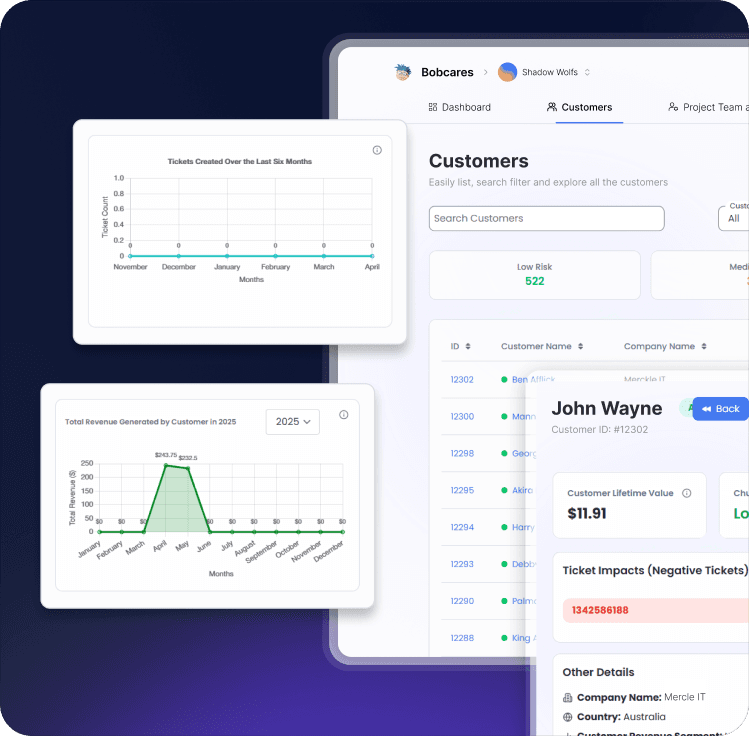
AI-Driven Customer Retention Prediction
A service-based organization had customer data across multiple systems. No early warning mechanism existed to identify churn risk. Retention efforts began after customers disengaged.
- No proactive churn visibility
- Scattered customer activity data
- Decisions based on instinct
- Reactive retention processes
- Consolidated activity, usage, and support data
- Extracted behavioral indicators, such as inactivity and sentiment
- Structured historical datasets for model training
- Built predictive models generating churn probability scores
- Delivered actionable risk indicators for proactive outreach
- Shift from reactive to proactive retention strategies
- Improved customer lifetime value
- Reduced response time for retention efforts
- Stronger data-driven culture
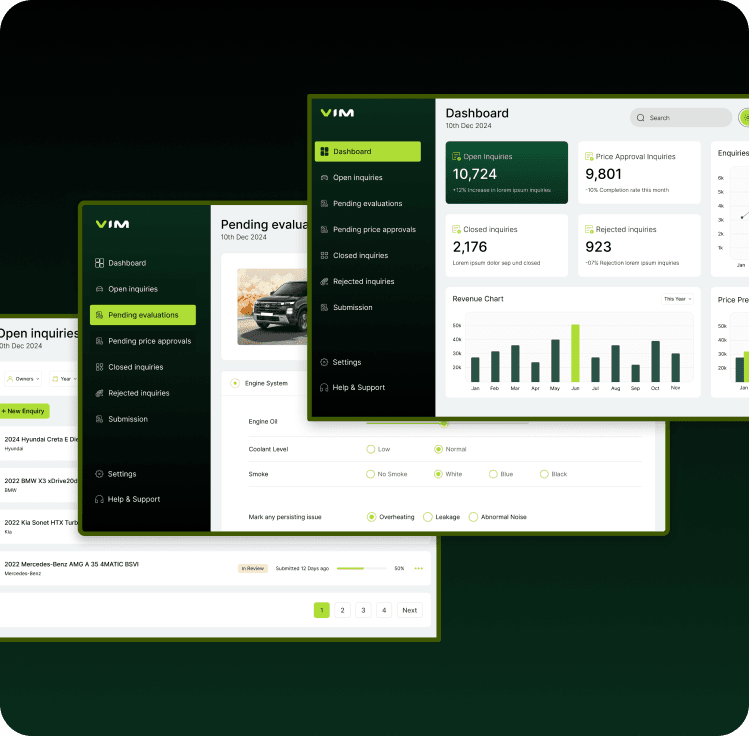
AI-Based Vehicle Price Estimation Platform
Vehicle pricing relied on manual evaluation and static rules. Pricing inconsistencies and delayed decisions affected efficiency and trust.
- Manual pricing processes
- Inconsistent valuations
- Delayed sales decisions
- Limited transparency into pricing logic
- Aggregated and normalized historical pricing data
- Prepared structured datasets for predictive modeling
- Built machine learning models generating explainable price estimates
- Delivered decision-ready pricing recommendations
- Improved pricing accuracy
- Reduced decision time
- Standardized pricing across operations
- Stronger trust in valuation outcomes
Start With Clarity Before Expanding Reporting
Structured evaluation helps identify where decision delays originate and what should be addressed first.
Free Decision Readiness Assessment
A focused review designed to uncover why decisions feel slower or less confident than they should.
What we assess
- Decision bottlenecks and blind spots
- Reasons existing reports lack trust or timeliness
- High-impact decisions require better support
- Distinction between data, integration, and process gaps
What you receive
- Clear view of decision readiness
- Prioritized improvement areas
- Guidance on next steps
Who This Is For
- Organizations experiencing delayed or debated decisions
- Teams lacking confidence in reporting
- Leaders seeking clearer visibility
Free Decision Readiness Assessment
A focused review designed to uncover why decisions feel slower or less confident than they should.
What we assess
- Decision bottlenecks and blind spots
- Reasons existing reports lack trust or timeliness
- High-impact decisions require better support
- Distinction between data, integration, and process gaps
What you receive
- Clear view of decision readiness
- Prioritized improvement areas
- Guidance on next steps
Who This Is For
- Organizations experiencing delayed or debated decisions
- Teams lacking confidence in reporting
- Leaders seeking clearer visibility
Collaborate with Bobcares
Get actionable solutions for your business